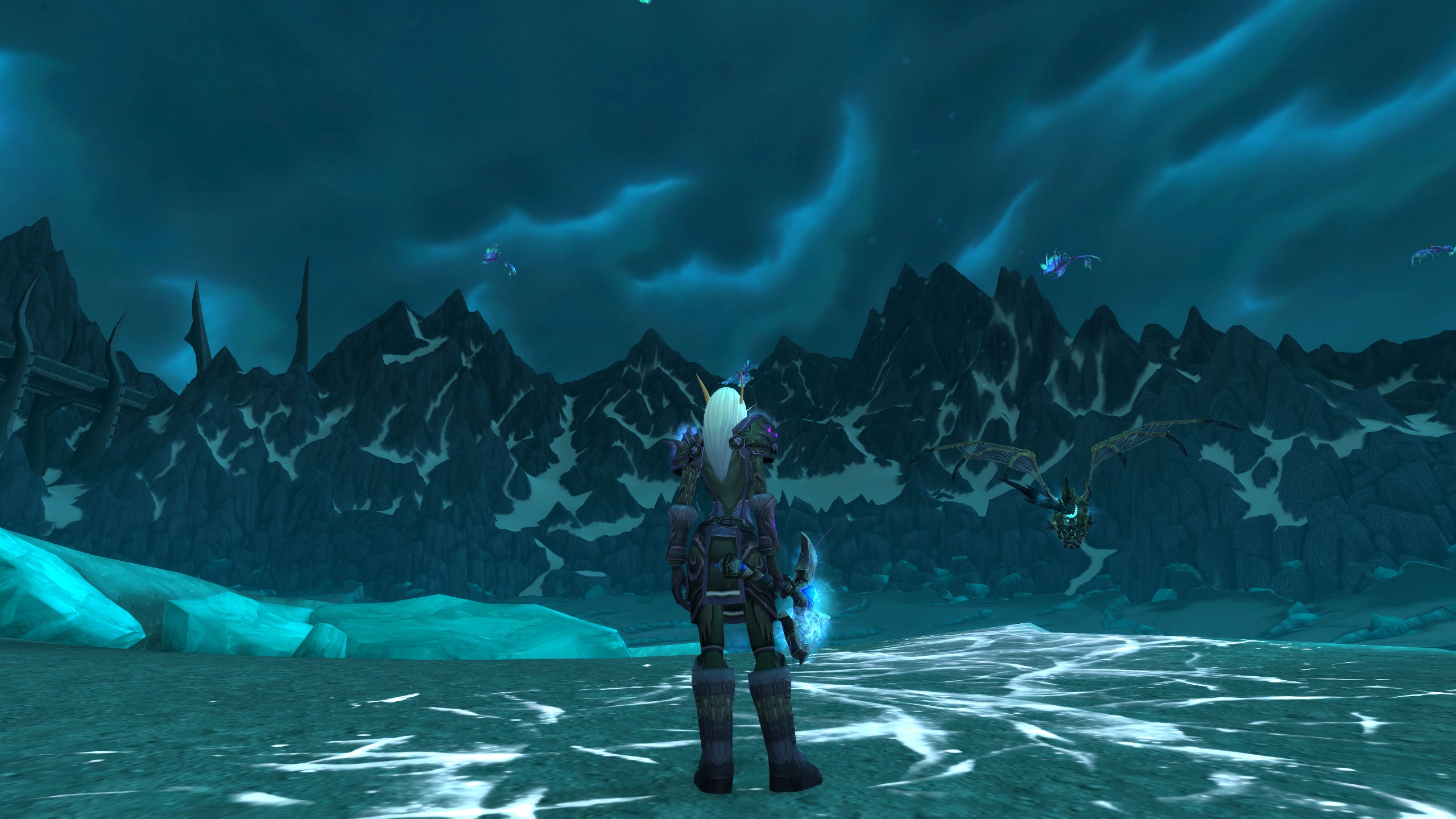
In your journey through World of Warcraft’s expansions, you’ll need to master new strategies with each shift in Azeroth. From mastering Outland in The Burning Crusade to facing the Lich King in Northrend, adaptability is crucial. Utilize hero classes like the Demon Hunter effectively and wield Artifact weapons with precision in Legion. Understand the dynamics of Horde vs. Alliance in Battle for Azeroth for strategic planning in Warfronts. Embrace allied races for their unique abilities. Controversies like the Looking for Raid system and flying changes require a nuanced approach to gameplay. Mastering these elements ensures you’re prepared for whatever lies ahead. Stick around for insights that could sharpen your edge.
Key Takeaways
- The Burning Crusade and Wrath of the Lich King are celebrated for expanding lore and introducing popular classes like the Death Knight.
- Warlords of Draenor was criticized for lackluster content and storytelling, impacting player engagement negatively.
- Battle for Azeroth received mixed reviews due to controversial gameplay mechanics and the Horde vs. Alliance narrative.
- Legion was well-received for introducing the Demon Hunter class and innovative Artifact weapons, enhancing player experience.
- Changes like the Looking for Raid system and flying in Azeroth sparked debates on game accessibility and exploration dynamics.
The Evolution of Azeroth
Azeroth’s landscape has been dramatically reshaped over the years, offering you an ever-evolving world to explore. With the introduction of Kul Tiras and the Broken Isles, the map of playable areas has expanded, bringing new challenges and adventures. As you navigate these regions, you’ll encounter both the Alliance and Horde vying for dominance, a dynamic that greatly influences your gameplay strategy.
The addition of allied races and hero classes has diversified the playable races, offering you unique abilities and traits to leverage against your enemies. For instance, mastering the hero class’s special skills can give you a significant advantage in both PvE and PvP scenarios. It’s important to familiarize yourself with the strengths and weaknesses of each race and class to optimize your strategy.
The cinematic trailers released alongside these updates serve not just as a hype mechanism but also as a lore-rich background that can inform your understanding of the evolving conflict between the Alliance and Horde. By immersively engaging with these narratives, you’ll gain insights that can influence your tactical decisions in-game, enhancing your overall experience as you explore the ever-changing world of Azeroth.
Iconic Expansions Reviewed
Throughout the years, World of Warcraft has seen the release of several iconic expansions, each bringing its own unique content and adventures to the domain. Blizzard Entertainment has crafted these expansions with care, expanding upon the lore and gameplay introduced in previous expansions, while always looking ahead to the next thrilling chapter.
Here’s a quick review of four standout expansions that have left a lasting impact on the game:
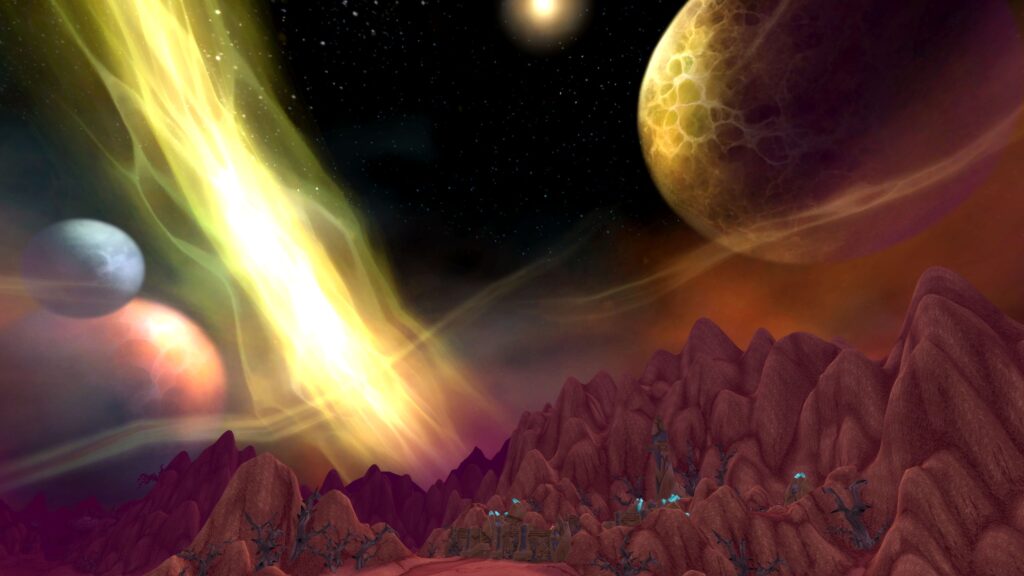
- The Burning Crusade: This expansion introduced players to the shattered territories of Outland, offering new races, flying mounts, and the challenging Illidan Stormrage encounter.
- Wrath of the Lich King: Venturing into the cold heart of Northrend, players faced the Lich King, engaging in epic battles and exploring the icy continent.
- Legion: This expansion brought the demon-infested Broken Isles to the forefront, with the introduction of the Demon Hunter class and the innovative Artifact weapons.
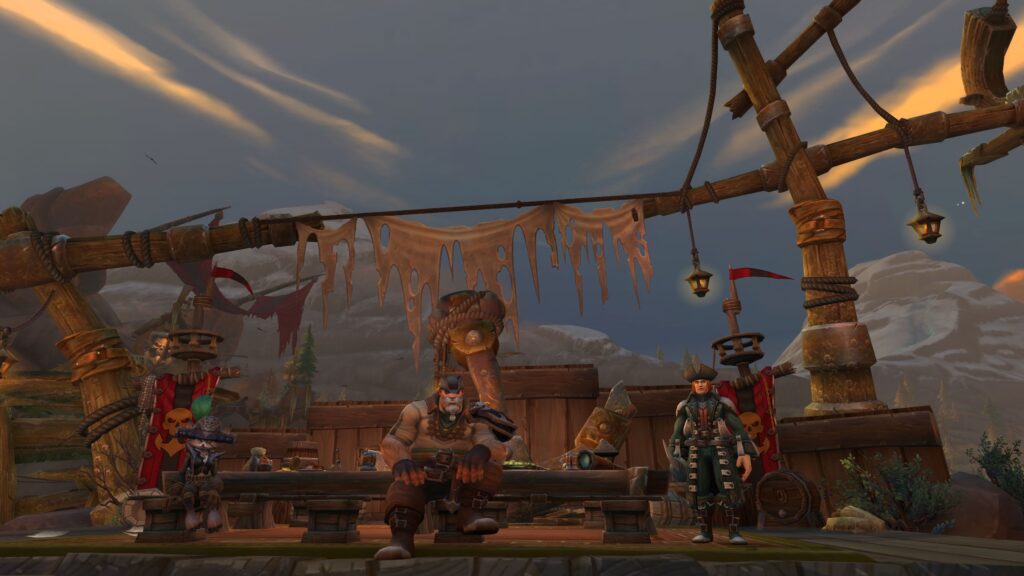
- Battle for Azeroth: Highlighting the conflict between the Horde and Alliance, this expansion focused on faction pride, adding Warfronts and Island Expeditions.
Each expansion built upon the foundation laid by its predecessors, while the current expansion continues to innovate and excite. Whether you’re battling through dungeons or exploring new worlds, WoW expansions offer endless adventures.
Controversial Changes Over Time
Over the years, World of Warcraft has introduced changes that have sparked debate and controversy among its player base. One such change was the introduction of the Looking for Raid (LFR) system. Initially designed to make raiding more accessible, it led to debates about diluting the challenge and exclusivity of raid content. You’ve probably felt both the convenience and the impersonal nature of teaming up with strangers for a quick raid, missing the camaraderie of organizing with your guild.
Another polarizing update was the implementation of flying in Azeroth. While it brought a new level of freedom and exploration, it also sparked discussions about how it affected world PvP and the sense of adventure in traversing dangerous lands. You might have enjoyed the ease of bypassing threats, but also missed the thrill of land-based journeys.
Additionally, the introduction of the Warlords of Draenor’s Garrisons was meant to offer personal housing, yet ended up isolating players, reducing interactions in the world. You’ve likely appreciated having your personal space but felt the world less lively as a result.
These changes, aimed at improving gameplay, often came with unintended consequences, altering the way you interact with the world and each other in Azeroth.
Fan Favorites and Flops
While exploring the controversial changes in World of Warcraft has highlighted the game’s evolving nature, it’s equally important to examine the expansions that players have loved or disliked. Here’s a quick rundown:
- The Burning Crusade: Lauded for its introduction of new races and the Outland, it’s a fan favorite for expanding the playable universe and adding depth to the game’s lore.
- Wrath of the Lich King: Often hailed as the pinnacle of WoW expansions, it brought the compelling story of Arthas to a grand conclusion, alongside the innovative addition of the Death Knight class.
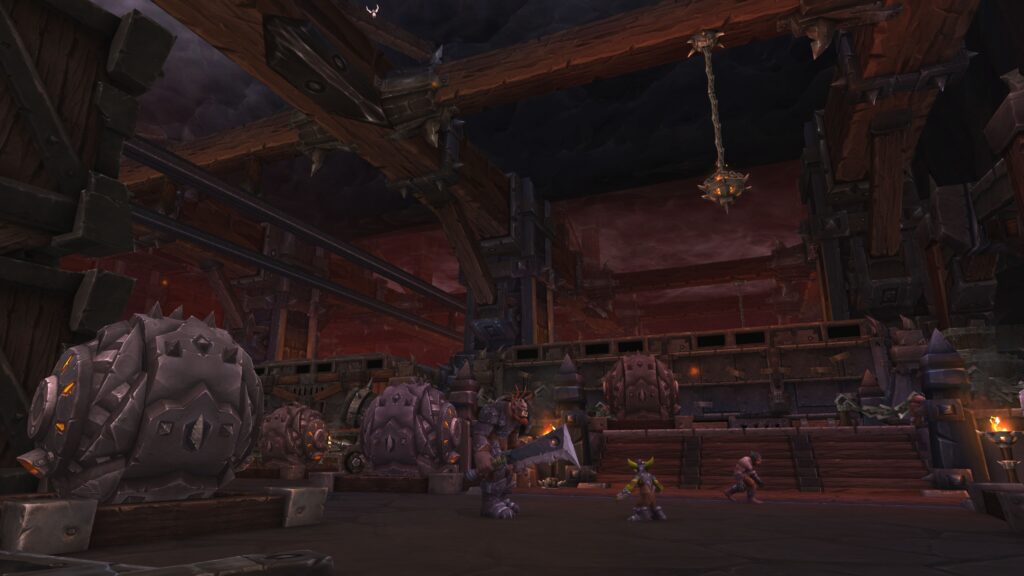
- Warlords of Draenor: This expansion faced criticism for its lack of content and the perceived missteps in storytelling. Despite high initial excitement, it’s widely regarded as a low point in the game’s history.
- Battle for Azeroth: Received with mixed feelings due to contentious gameplay mechanics and the Azerite system, it proved divisive among the community, highlighting the challenges of keeping a long-running game fresh.
These expansions illustrate the fluctuating fortunes of World of Warcraft, showcasing how each new chapter has been met with either acclaim or resistance from its player base.
Future Directions and Speculations
As World of Warcraft continues to evolve, speculation about its future expansions and updates fuels much debate among players. You’re likely wondering what’s on the horizon for Azeroth and beyond. Will new races be introduced? What about fresh, unexplored territories? Let’s delve into some of the prevailing theories and potential updates that could shape the future of WoW.
| Speculation | Potential Impact |
|---|---|
| New Playable Races | Introducing fresh dynamics and strategies in gameplay. |
| Uncharted Territories | Expanding the world map, offering new quests and challenges. |
| Revamped PvP Systems | Enhancing player engagement and competitive balance. |
| Cross-realm Features | Facilitating smoother, quicker group formations for raids. |
Navigating these potential updates requires staying informed and ready to adapt your playstyle. For instance, new races might bring unique abilities, altering how you approach both PvP and PvE environments. Similarly, exploring uncharted territories could necessitate updated gear or strategies to tackle new bosses and quests. Keeping abreast of changes in PvP systems is critical for competitive players, ensuring you’re always at the top of your game. Lastly, a smoother group formation process could mean quicker access to raids, so it’s wise to be prepared with the right gear and a solid team strategy.
Frequently Asked Questions
How Have World of Warcraft Expansions Impacted the Game’s Subscription Numbers and Player Base Demographics Over the Years?
Like seasons changing, WoW’s expansions have reshaped its world, enticing old players back and drawing new crowds. They’ve fluctuated subscription numbers and diversified demographics, making the game’s community a vibrant, ever-evolving tapestry.
What Role Have Expansions Played in the Development of World of Warcraft’s Esports Scene and Competitive Gaming Communities?
Expansions have greatly shaped WoW’s esports scene, introducing new content and challenges that’ve kept competitive gaming communities engaged. They’ve provided fresh arenas for players to showcase skills, influencing strategies and the overall esports landscape.
How Have Expansions Influenced the Economic Model of World of Warcraft, Including Microtransactions and the Wow Token System?
Expansions have drastically shaped WoW’s economy, with over 70% of players engaging in microtransactions. They’ve introduced the WoW Token, changing how you spend and earn in-game, making real-world currency more influential in Azeroth.
In What Ways Have World of Warcraft Expansions Been Reflected in or Influenced by Other Blizzard Entertainment Games and Cross-Promotional Activities?
You’ve seen WoW expansions impact other Blizzard games through cross-promotions, like exclusive items in Overwatch for WoW subscribers. It’s a strategy to boost engagement across their titles, linking different game communities together.
How Has the Soundtrack and Musical Score of Each Expansion Contributed to the Overall Atmosphere and Player Immersion in World of Warcraft?
The soundtrack in each WoW expansion is like a mesmerizing call, utterly enchanting you into its world. It’s designed to deepen your immersion, making every quest feel like an epic journey through Azeroth.
You always welcome to see other our articles and guides!