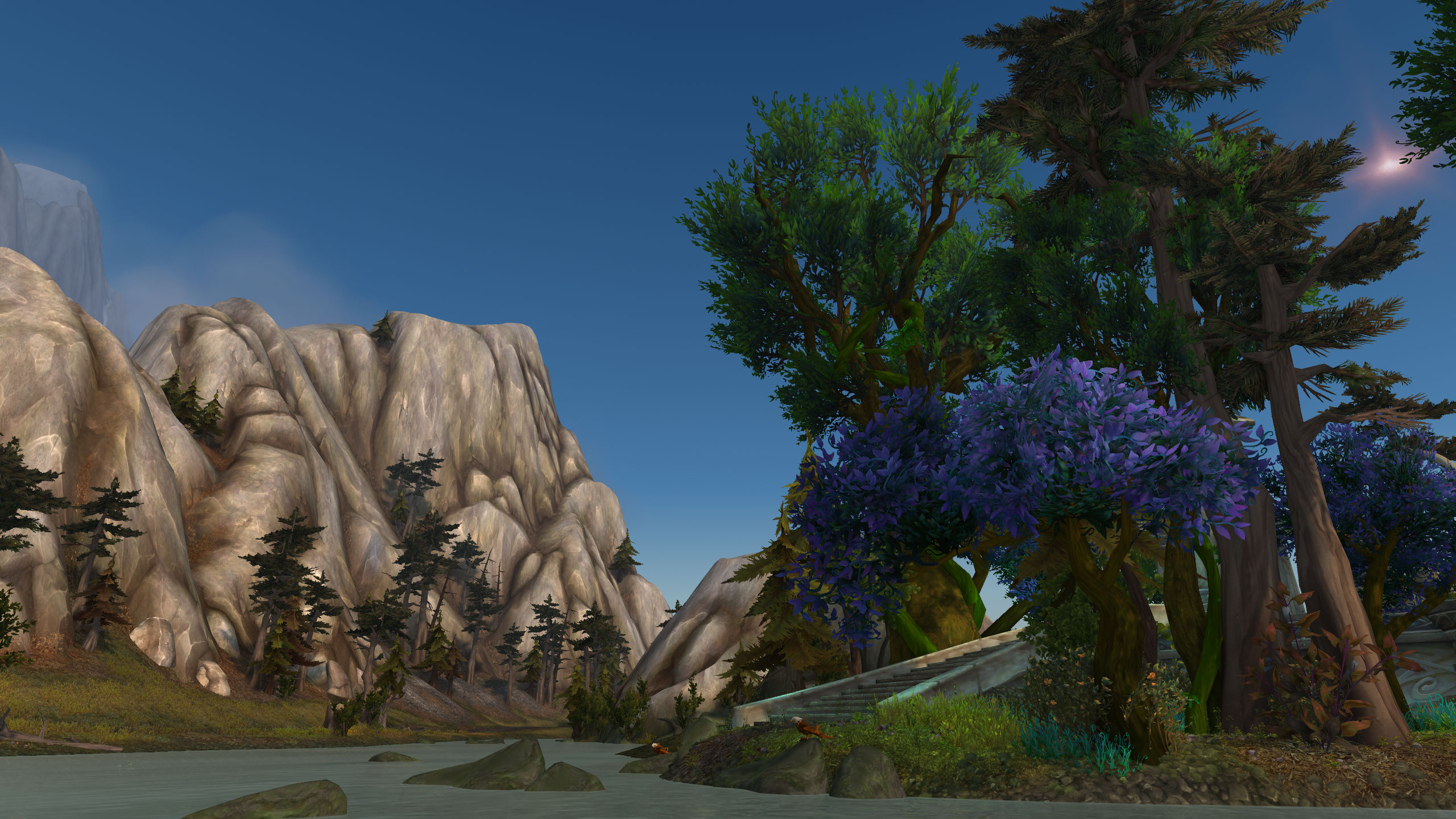
World of Warcraft Expansion Timeline: Key Milestones and Changes
Introduction
Since its launch in 2004, World of Warcraft has evolved through numerous expansions, each introducing new systems, continents, stories, and gameplay mechanics. The game’s expansion timeline is a reflection of its growth, challenges, and attempts to meet the evolving expectations of millions of players around the globe. From the Burning Crusade’s first step into another world to The War Within’s bold changes in modern gameplay design, each expansion has left a permanent mark on the game’s identity. This article explores the most significant milestones and gameplay shifts that shaped WoW through its many eras.
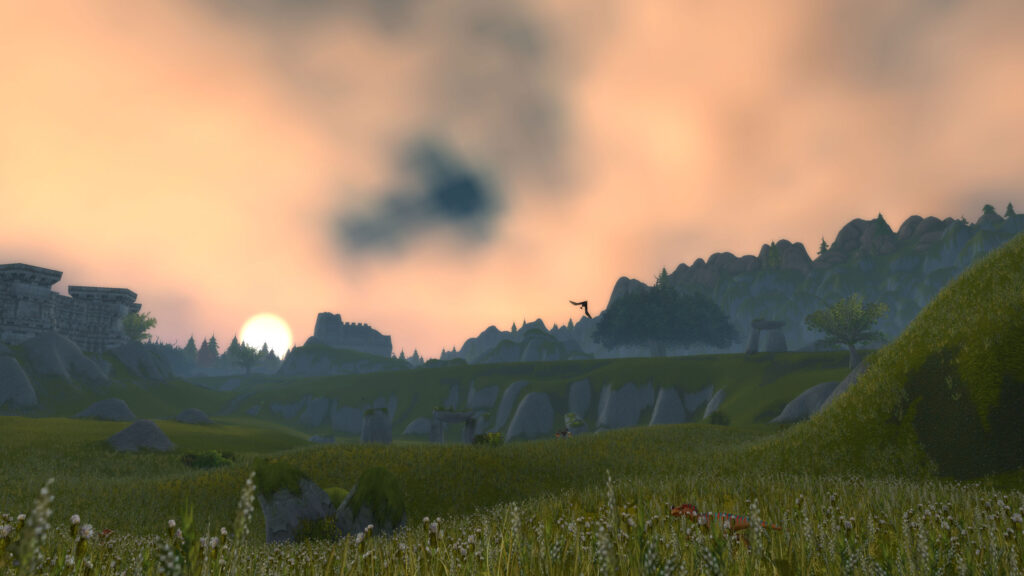
1. Vanilla WoW: The Foundation (2004)
World of Warcraft’s original version laid the groundwork with two factions, 60 levels, massive open zones, and 40-player raids like Molten Core. Though rough by modern standards, the vanilla experience emphasized exploration, grinding, and strong community reliance. Dungeons like Stratholme and BRD became infamous not only for their length but their complexity. Many systems were basic, but this version set the tone for everything that came after.
2. The Burning Crusade (2007)
The first expansion introduced flying mounts, Draenei and Blood Elves, and took players beyond Azeroth into Outland. This marked the beginning of more vertical and structured quest design. Heroic dungeons, arena PvP, and tiered raid progression (Karazhan, SSC, BT) became standard. The Burning Crusade also laid the foundation for prestige PvP rankings and faction reputations that offered gear and crafting materials.
3. Wrath of the Lich King (2008)
Widely praised as WoW’s golden era, Wrath introduced Northrend and one of its most iconic villains: Arthas. It streamlined systems, added achievements, and launched the Death Knight class. Dungeon finder technology appeared late in the expansion, changing how players grouped forever. The raid scene peaked with Ulduar’s innovation and Icecrown Citadel’s narrative weight. Casual accessibility and hardcore depth blended better than ever before.
4. Cataclysm to Battle for Azeroth: System Shifts
| Expansion | Key Additions | Major System Changes |
|---|---|---|
| Cataclysm (2010) | World redesign, Goblin & Worgen | Talent revamp, LFR introduced |
| Mists of Pandaria (2012) | Pandaren, Monk class | Flexible raids, Challenge Modes |
| Warlords of Draenor (2014) | Garrisons, time-travel story | Pruning abilities, stat squish |
| Legion (2016) | Artifacts, Demon Hunter | World Quests, M+ introduced |
| Battle for Azeroth (2018) | Allied Races, Warfronts | Azerite system, island expeditions |
5. Shadowlands and Dragonflight: Rebuilding Trust
Shadowlands was divisive, with a strong start and ambitious ideas like Covenants and Torghast, but ultimately faltered due to player frustration with borrowed power systems and grind-heavy progression. Dragonflight marked a shift in tone—less aggressive systems, more player freedom, and a focus on evergreen gameplay. Dragonriding, a new talent system, and revamping professions gave WoW a breath of fresh air. Many consider it a soft reboot in terms of player relationship and game philosophy.
6. The War Within and the Worldsoul Saga
The War Within launches the Worldsoul Saga, a multi-expansion narrative meant to tie together years of plot threads. With deeper character customization, delves for solo and small-group play, and warbands for alt management, The War Within builds on Dragonflight’s positive momentum. The expansion is designed with modular accessibility: players can enjoy it alone, with friends, or in high-end content, without feeling forced into chores. The shift toward quality-of-life features is one of the most noticeable evolutions of the game’s design philosophy.
7. Expansion Release Timeline
- 2004 – World of Warcraft (Vanilla)
- 2007 – The Burning Crusade
- 2008 – Wrath of the Lich King
- 2010 – Cataclysm
- 2012 – Mists of Pandaria
- 2014 – Warlords of Draenor
- 2016 – Legion
- 2018 – Battle for Azeroth
- 2020 – Shadowlands
- 2022 – Dragonflight
- 2024 – The War Within
Conclusion
The journey through WoW’s expansion history is also a story of its players, community trends, and Blizzard’s evolving approach to design. Every expansion has brought something new—sometimes disruptive, often exciting—and each one has pushed the boundaries of what an MMO can deliver. Looking forward, the Worldsoul Saga promises to weave narrative and gameplay together more tightly than ever before. Whether you’re returning from a break or still riding strong, knowing where WoW has been gives you a better understanding of where it’s going. Azeroth’s past is rich, and its future remains full of promise.