
In the early days of World of Warcraft, players encountered a significant disparity between the costs associated with acquiring riding skills and the mounts themselves. While the riding skill was relatively inexpensive, the mounts commanded a hefty price tag. Understanding this cost split is crucial for players looking to optimize their gold expenditure and enhance their gameplay experience. This guide delves into the mechanics behind this pricing structure, offering insights into the economic strategies of Vanilla WoW.
What are the costs associated with riding skills and mounts in Vanilla WoW?
The riding skill in Vanilla WoW typically cost between 1 to 20 gold, while mounts ranged from 80 to 100 gold, depending on the type and faction.
The cost structure for riding skills and mounts reflects the game’s economic design, where skill acquisition is made accessible to encourage exploration and mobility. The following table illustrates the costs associated with various riding skills and mount types, providing a clear comparison for players.
| Riding Skill Cost | Mount Cost | Mount Type | Faction |
|---|---|---|---|
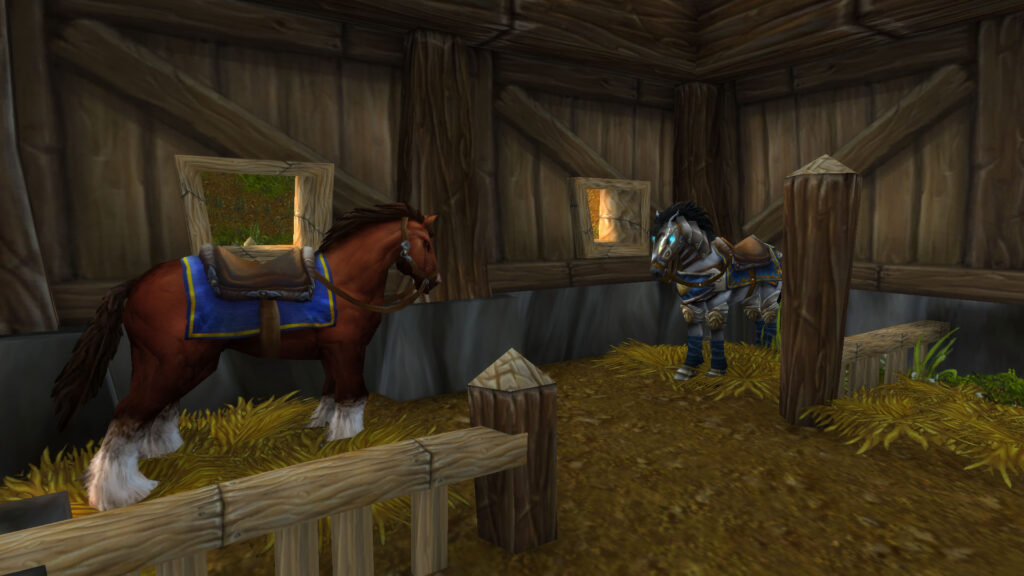
| 1 Gold | 80 Gold | Horse | Alliance |
| 1 Gold | 100 Gold | Wolf | Horde |
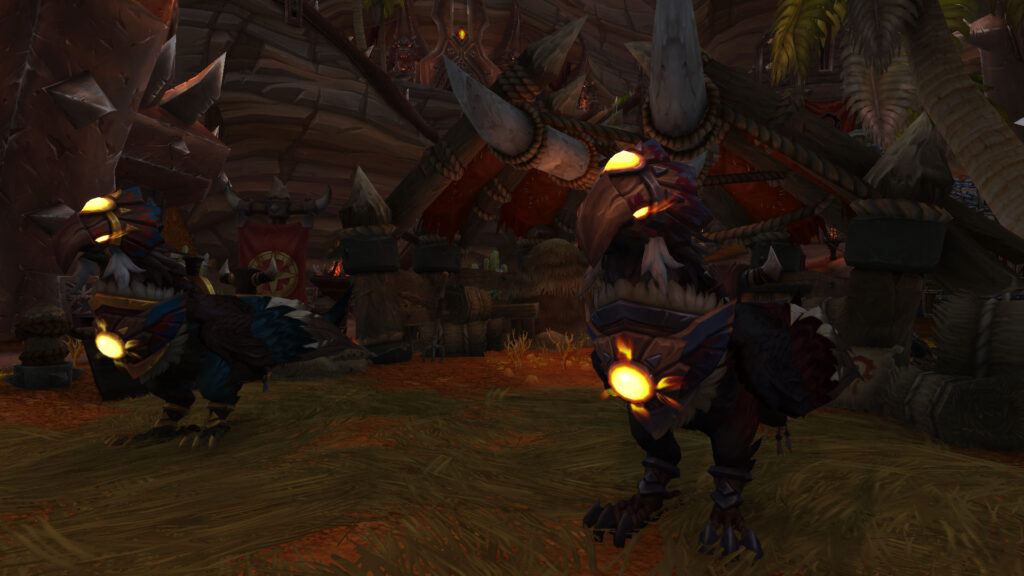
| 20 Gold | 100 Gold | Raptor | Horde |
Why was riding skill so cheap compared to mount prices?
The low cost of riding skills was designed to encourage players to engage with the game’s mobility mechanics without significant financial barriers.
The pricing strategy for riding skills in Vanilla WoW was influenced by several factors, including player accessibility and the game’s design philosophy. By keeping riding skills affordable, Blizzard aimed to promote exploration and reduce the time players spent traveling between quests and locations. This accessibility allowed players to experience the vast world of Azeroth more fully, fostering a sense of adventure and discovery. Moreover, the low cost of riding skills ensured that new players could quickly adapt to the game mechanics without feeling overwhelmed by financial constraints.

On the other hand, the high cost of mounts served to create a sense of achievement and status among players. Mounts not only provided faster travel but also became a symbol of prestige within the community. The economic model was designed to reward players for their time investment and commitment to the game. As players progressed, they would accumulate gold through quests and other activities, making the purchase of mounts a milestone that marked their growth and dedication in the game.
What steps should players take to manage their gold for mounts effectively?
Players should prioritize gold management strategies, including questing efficiently, engaging in professions, and participating in the auction house to save for mounts.
To effectively manage gold for mount purchases, players should adopt a multi-faceted approach that maximizes their earning potential. First, players should focus on completing quests that offer substantial gold rewards, particularly those that are repeatable or part of daily quests. Additionally, engaging in professions such as mining, herbalism, or skinning can provide valuable resources that can be sold for gold. These professions not only enhance the player’s income but also contribute to the overall economy of the server.
- Identify high-reward quests and prioritize them in your quest log.
- Choose a gathering profession that complements your playstyle and maximizes gold income.
- Monitor the auction house for market trends and sell crafted items or gathered materials at peak prices.
- Participate in group activities, such as dungeons, to earn loot and gold efficiently.
What are the critical factors to consider when purchasing mounts in Vanilla WoW?
When purchasing mounts, players should consider their faction, mount type, and the associated costs to maximize their investment.
Several critical factors influence the decision-making process when it comes to mount purchases. First, players must consider their faction, as different factions offer unique mounts with varying costs and aesthetics. For example, Alliance players may prefer horses, while Horde players might opt for wolves or raptors. Understanding the benefits and drawbacks of each mount type is essential for making an informed decision. Additionally, players should evaluate the speed and utility of the mount, as some may offer advantages in specific environments or scenarios.
Furthermore, players should be aware of the timing of their mount purchase. Acquiring a mount too early may lead to a lack of gold for other essential expenses, while waiting too long could result in missing out on valuable gameplay opportunities. Therefore, players should create a budget that accounts for both the mount’s cost and their ongoing expenses, ensuring they can maintain a balanced approach to their in-game finances.
What common issues do players face when acquiring mounts in Vanilla WoW?
Players often face challenges such as insufficient gold, limited access to mounts based on faction, and competition in the auction house.
Acquiring mounts in Vanilla WoW can present several challenges that players must navigate. One of the most common issues is the accumulation of sufficient gold to afford the desired mount. Players may find themselves struggling to balance their expenses, leading to frustration when attempting to save for a mount. Additionally, faction-specific mounts can limit options for players, especially if they are unaware of the unique mounts available to their faction. This lack of knowledge can lead to missed opportunities and inefficient spending.
Moreover, competition in the auction house can pose a significant hurdle for players looking to sell crafted items or gathered materials. Prices can fluctuate rapidly, and players may find themselves undercut by others, reducing their potential profits. To mitigate these issues, players should stay informed about market trends and adapt their strategies accordingly. Engaging with the community and sharing tips can also provide valuable insights into overcoming these challenges.

What future trends can players expect regarding mounts in World of Warcraft?
Future trends in World of Warcraft may include new mount types, enhanced customization options, and evolving economic models for mount acquisition.
As World of Warcraft continues to evolve, players can anticipate several trends related to mounts. One significant trend is the introduction of new mount types that offer unique abilities or aesthetics, enhancing the overall gameplay experience. These mounts may include flying mounts, aquatic mounts, or even mounts with special skills that provide advantages in specific scenarios. Additionally, the potential for enhanced customization options may allow players to personalize their mounts further, creating a deeper connection to their in-game companions.
Furthermore, the economic model surrounding mount acquisition may shift as the game evolves. Blizzard may introduce new ways for players to earn gold or acquire mounts through achievements, events, or other gameplay mechanics. This evolution could lead to a more dynamic economy, where players must adapt their strategies to remain competitive. Staying informed about these trends will be crucial for players looking to optimize their mount acquisition strategies in the future.