World of Warcraft has always been more than numbers and loot—it’s a universe driven by emotion. Few things capture that better than its cinematics. Across two decades, Blizzard has turned story beats into unforgettable visual experiences, blending art, music, and performance to move millions of players. From the fall of Arthas to Anduin’s moment of redemption, each cinematic has defined an era of the game’s storytelling evolution.
This article revisits WoW’s most powerful cinematic moments and explores why they resonate so deeply with players long after the final frame fades to black.
The Fall of the Lich King – Wrath of the Lich King
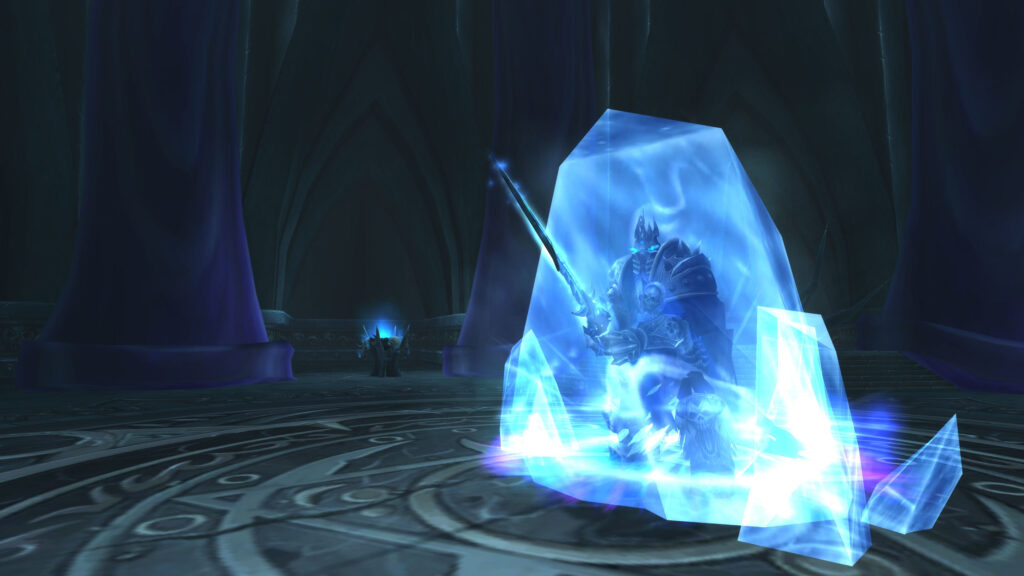
Few cinematics in gaming history rival the emotional depth of Arthas’s end. As the Lich King falls, his father’s spirit appears—softly reminding him that no king rules forever. This moment captures tragedy, closure, and redemption in perfect balance. Players who fought through Icecrown Citadel felt more than victory; they felt empathy for a villain shaped by sorrow. It remains one of the defining emotional peaks of WoW’s entire legacy.
Arthas’s fall wasn’t just an ending—it was the fulfillment of Warcraft’s most haunting prophecy.
The Wrathgate – Wrath of the Lich King
The Wrathgate cinematic marked WoW’s first in-game storytelling revolution. Combining in-engine visuals with full voice acting and camera direction, it gave players a front-row seat to betrayal and tragedy. Bolvar’s sacrifice and Sylvanas’s treachery revealed that Azeroth’s wars weren’t just about good and evil—they were about flawed heroes and impossible choices. It was the moment the world realized the stakes had changed forever.
At Wrathgate, WoW became cinema.
Varian’s Sacrifice – Legion
Legion’s opening cinematic struck a chord with players worldwide. As the Horde and Alliance united against the Burning Legion, King Varian Wrynn met his end in a blaze of courage. His final words to Anduin—“For the Alliance”—echoed through every realm. More than a death scene, it was a generational handoff, symbolizing hope reborn in the face of despair. For many, it remains the definitive moment of leadership and legacy.
In Varian’s fall, the Alliance found its heart.
| Cinematic | Expansion | Emotional Core | Impact on Story |
|---|---|---|---|
| The Fall of Arthas | Wrath of the Lich King | Redemption and grief | Closed a decade-long saga |
| The Wrathgate | Wrath of the Lich King | Betrayal and tragedy | Changed storytelling forever |
| Varian’s Sacrifice | Legion | Courage and legacy | Set Anduin’s arc in motion |
| Sylvanas vs. Saurfang | Battle for Azeroth | Honor and rebellion | Redefined Horde identity |
| Anduin’s Return | The War Within | Forgiveness and self-acceptance | Bridges old and new generations |
Sylvanas and Saurfang – The Mak’gora
The Battle for Azeroth cinematic duel between Sylvanas and Saurfang remains one of Blizzard’s most cinematic achievements. Saurfang’s defiance and death embodied honor reclaimed, while Sylvanas’s revelation—“The Horde is nothing!”—shattered illusions of loyalty. This moment redefined faction identity and gave emotional weight to years of moral tension within the Horde. It wasn’t about victory; it was about integrity, sacrifice, and truth.
The Mak’gora wasn’t a fight—it was confession through combat.
Anduin’s Redemption – The War Within
After years of silence, Anduin Wrynn’s story comes full circle in The War Within. Haunted by guilt from the Shadowlands, his quiet conversation with Thrall reflects WoW’s growing maturity. No grand battle—just empathy, forgiveness, and the acceptance of imperfection. This cinematic speaks to every player who’s ever carried the weight of choices made in Azeroth’s endless wars.
It’s not the spectacle that defines Anduin’s return—it’s the humanity.
The Emotional Language of Cinematics
WoW’s cinematics work because they don’t just tell stories—they communicate emotion through sound and silence. Blizzard’s use of music, pacing, and camera work turns moments into memories. Themes of loss, courage, and redemption resonate universally. Even players who’ve stepped away still remember the swell of strings during Arthas’s fall or the flicker of hope in Anduin’s voice. Cinematics make players feel seen—as heroes, but also as humans.
Blizzard doesn’t just create scenes—they compose emotions.
Conclusion
From cinematic beginnings to emotional masterpieces, WoW has evolved storytelling into an art form that transcends its medium. Each scene—whether tragedy, triumph, or reflection—connects to something universal. The game’s cinematics endure not just because they look beautiful, but because they remind players why they fight, why they care, and why Azeroth still matters. They are the heartbeat of Warcraft’s legacy—forever echoing in the players who lived them.
Because in the end, the greatest battles are the ones that move the heart.