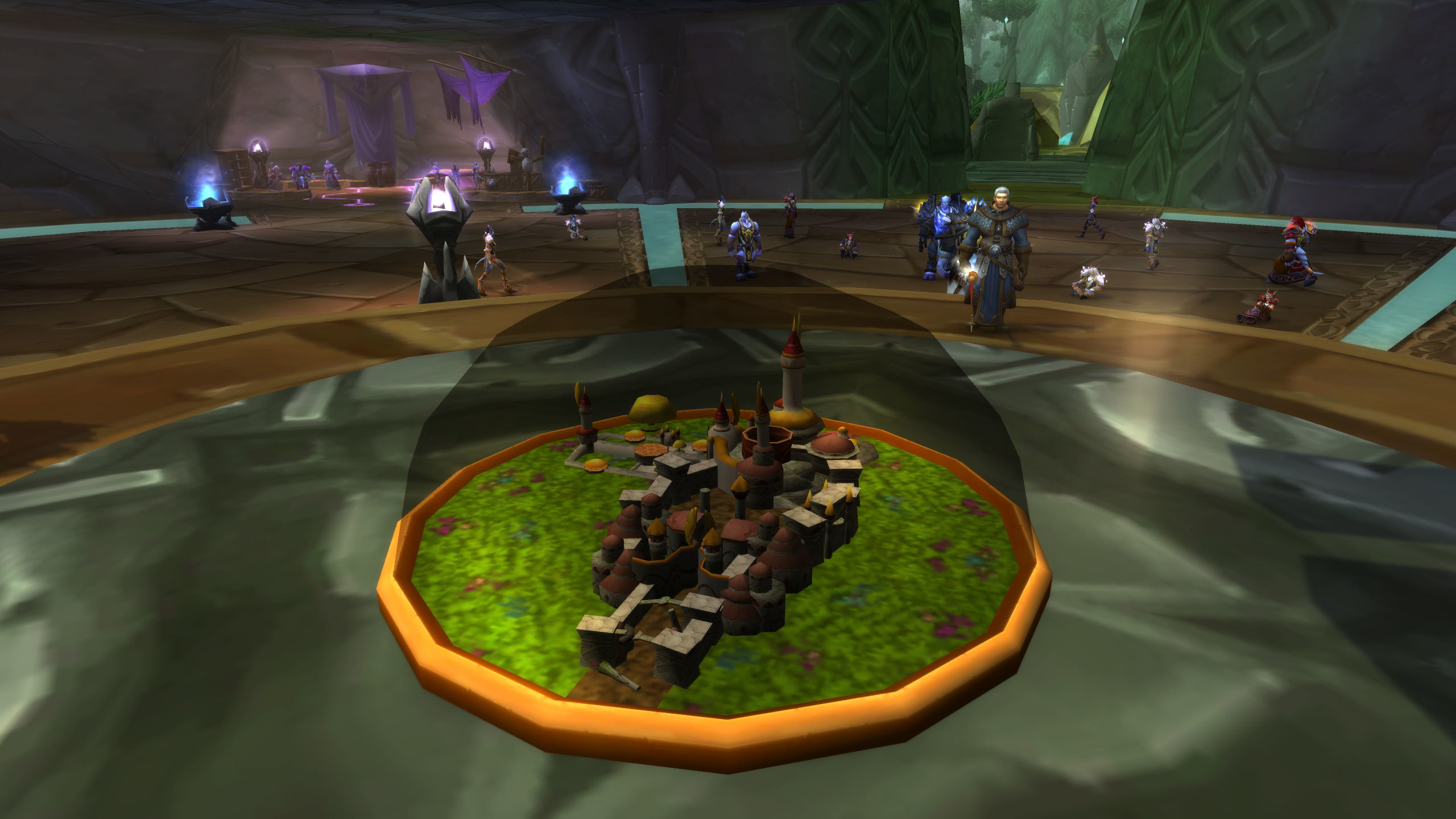
Few images in the game’s long history are as iconic as the Dark Portal. It stands not only as a gateway between worlds but as a symbol of ambition, tragedy, and the consequences of power. When players first stepped through it during The Burning Crusade, they weren’t just entering a new expansion—they were entering a legacy shaped by years of lore, conflict, and myth. That single moment redefined how expansions could begin and how new lands could feel both dangerous and alive.
This retrospective revisits the significance of the Dark Portal, examining how it shaped narrative pacing, gameplay structure, and the emotional tone of an entire era.
A Gateway Built From History
The Dark Portal was not simply a storytelling device—it was a culmination of events forged through wars, betrayals, and cosmic influence. Its history framed Draenor’s fall, the formation of the Horde, and the collapse of an entire world. When players returned to it in The Burning Crusade, they weren’t exploring unfamiliar ground. They were stepping into a place woven into the very fabric of the game’s mythology. This connection made the opening moment feel monumental, as though every character crossing its threshold was participating in something larger than any single storyline.
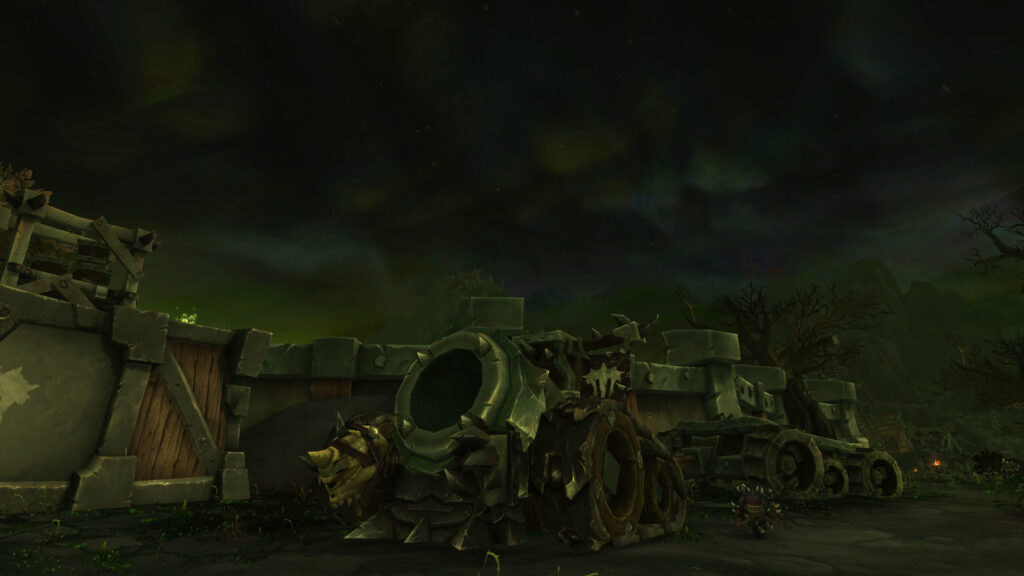
The Portal’s physical presence in Blasted Lands reinforced this scale, towering above players and inviting them into a chapter they had long heard about but never seen firsthand.
The Outland Experience and Its Impact
Outland brought players face-to-face with landscapes torn apart by magic and conflict. Rather than presenting a fully intact world, the designers chose to showcase one broken by ambition and held together by the remnants of ancient power. Floating islands, shattered terrain, and eerie light defined a visual identity unlike anything players had seen before. This design told a story on its own—one about consequences, scars, and survival.
Outland’s narrative was not subtle, yet it did not need to be. Every zone served a purpose, taking players deeper into the legacy of the Portal they crossed.
How the Dark Portal Framed Expansion Structure
The Burning Crusade set a precedent by using a physical landmark as the literal entry point to new content. This decision strengthened immersion and created a sense of journey rather than a simple transition. Expansion launches became events tied to in-world actions, and players felt like they were moving forward rather than loading into a separate map. This structure also helped bind narrative and gameplay together, making Outland feel like a natural extension of existing storylines rather than a separate continent.
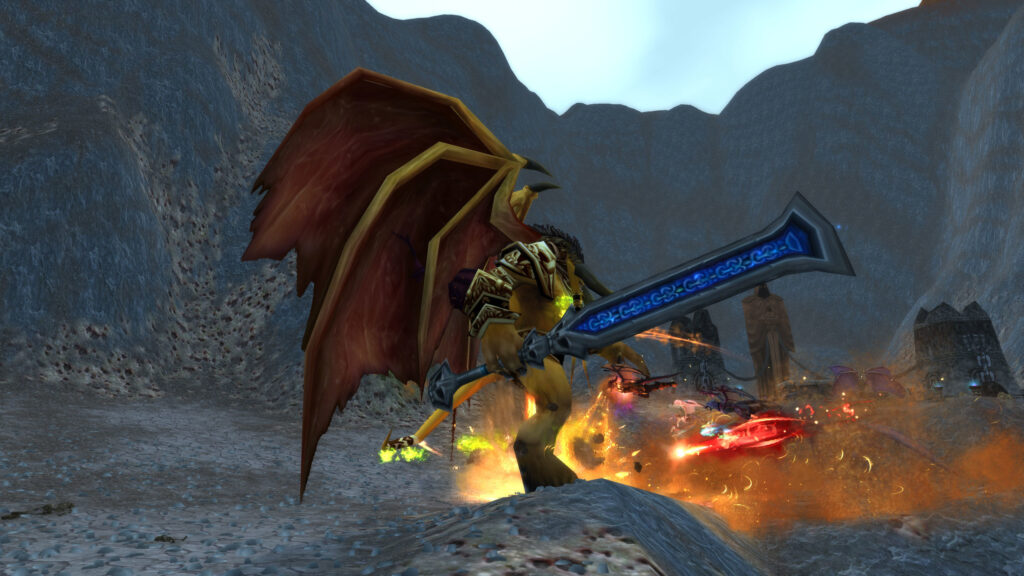
To highlight how the Portal influenced expansion identity, here is a simple comparison:
| Expansion Start | Entry Method | Story Impact |
|---|---|---|
| The Burning Crusade | Physical gateway | Strong narrative connection |
| Wrath of the Lich King | Boat/Zeppelin travel | Atmospheric journey |
| Cataclysm | Portal hub | Immediate deployment |
| Dragonflight | Expedition launch | Exploration-focused |
The Emotional Strength of a Legendary Entrance
Crossing the Dark Portal created a shared experience. For many players, it was the first time they felt collectively transported into an entirely new campaign. The chaos of Hellfire Peninsula, with its bombardments and demons, amplified the feeling of stepping into war the moment the expansion began. The Portal was no longer just an artifact of lore—it became a bridge between story and player identity, shaping how the expansion would be remembered for years.
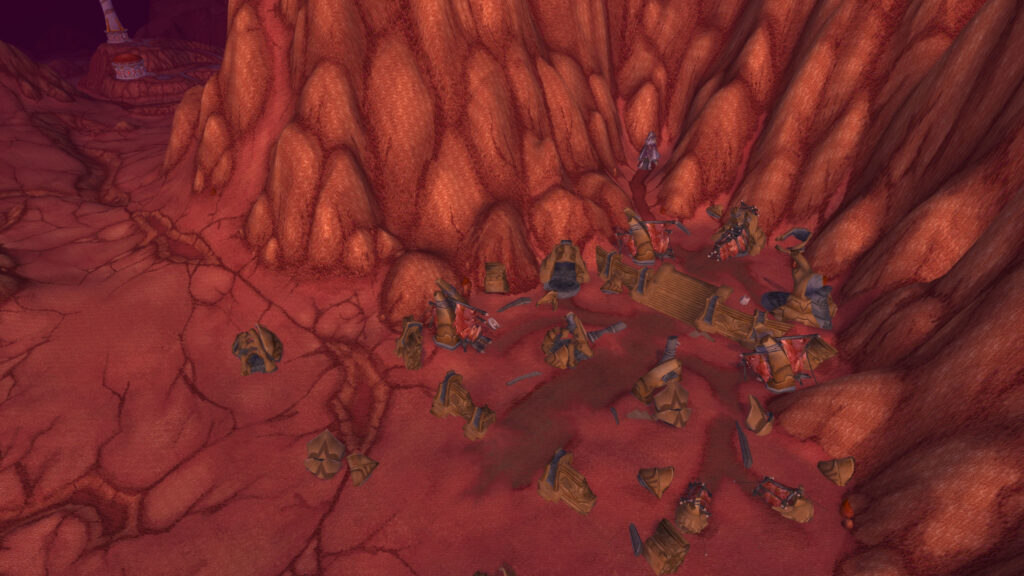
This sense of being part of something monumental is why the memory of that moment still endures.
Conclusion
The Dark Portal remains one of the most defining elements in the game’s history. It connects continents, expansions, story arcs, and generations of players. Its legacy is more than the structure itself—it is the feeling of crossing into the unknown, carrying familiar history into unfamiliar danger.
The Burning Crusade used this symbol to create a launch moment that continues to echo through the game’s evolving world.